URFA DIGITAL HISTORY AND CULTURE ISLAND · 13 ERAS
Urfa in the Time Tunnel
The full narration, audio guide and visual world of the thirteen eras await you on the 4 × 11 metre curved wall at the museum. Below are the titles and date ranges of the eras.
-
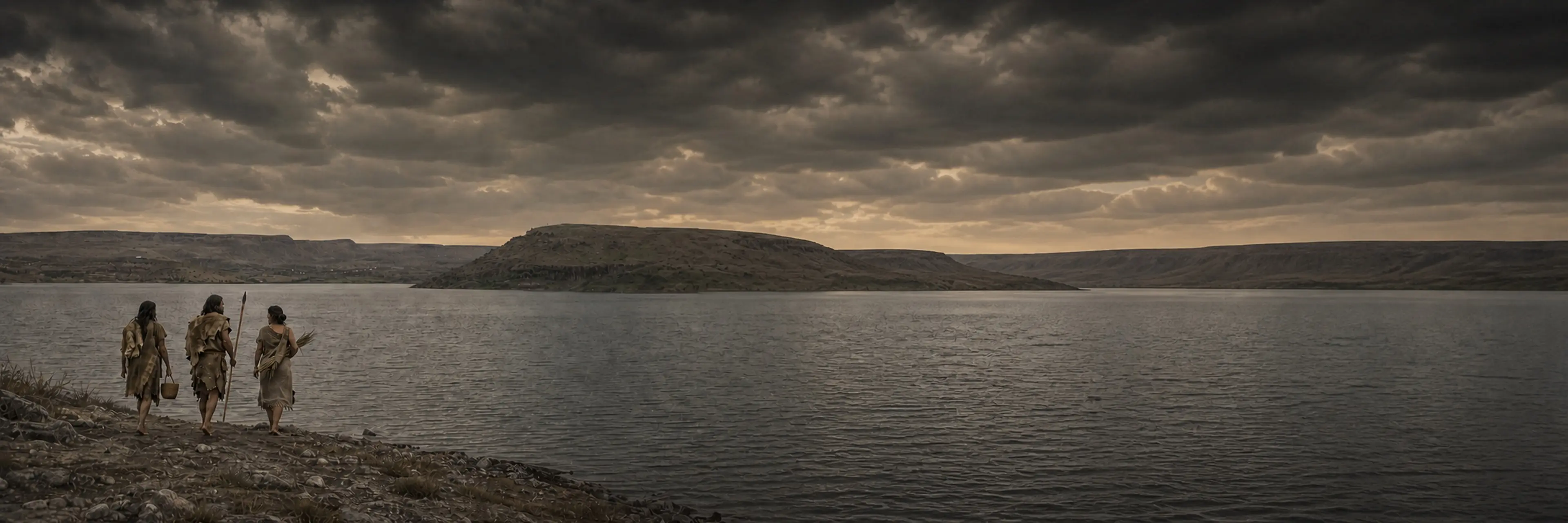 01
NEOLITHIC
The Neolithic Period and Taş Tepeler
10,000 – 8,000 BC
- 02
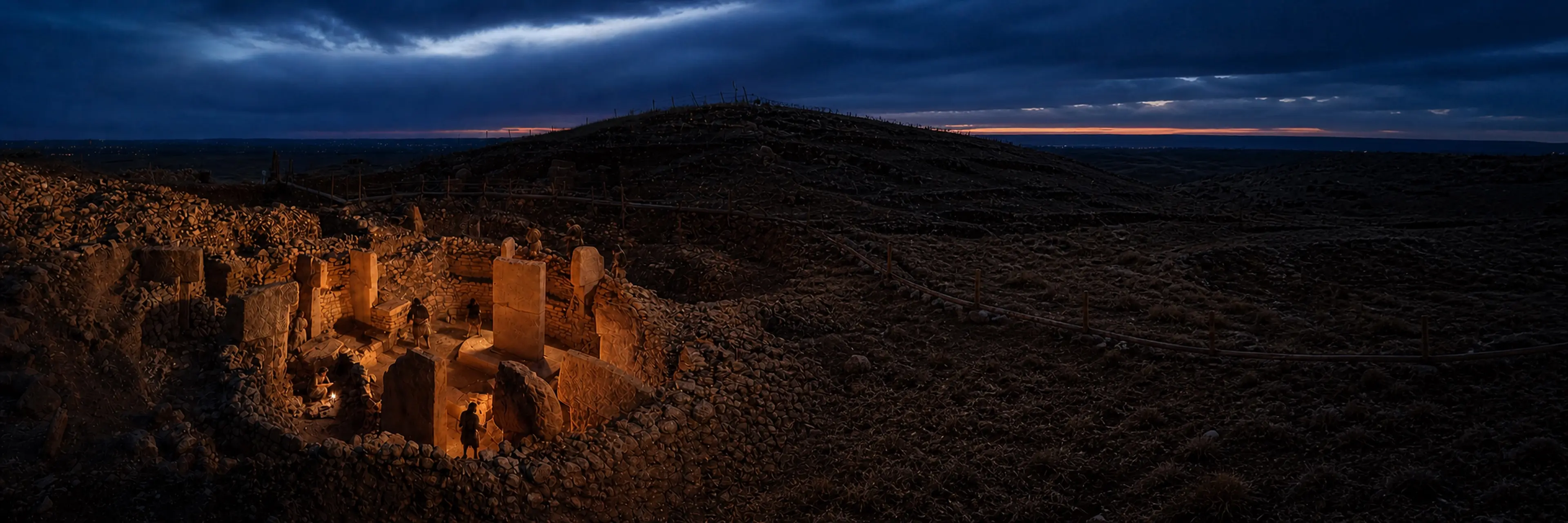
GÖBEKLITEPE
Göbeklitepe
9,600 – 8,200 BC
-
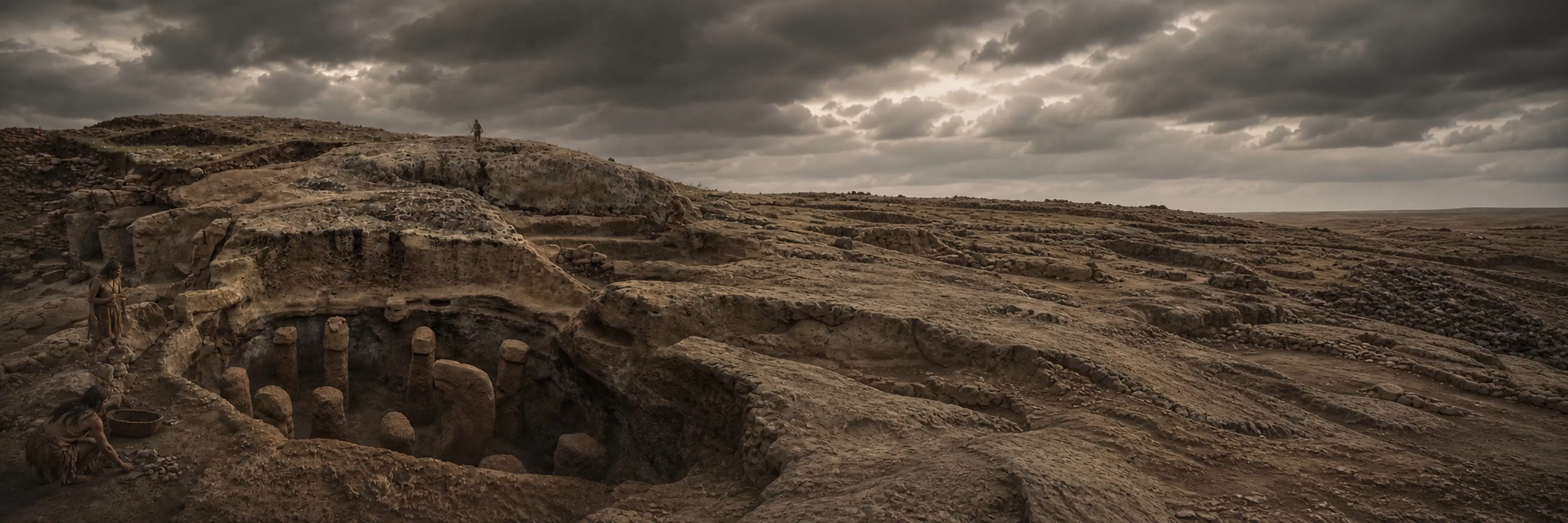 03
KARAHANTEPE
Karahantepe
9,400 – 8,200 BC
-
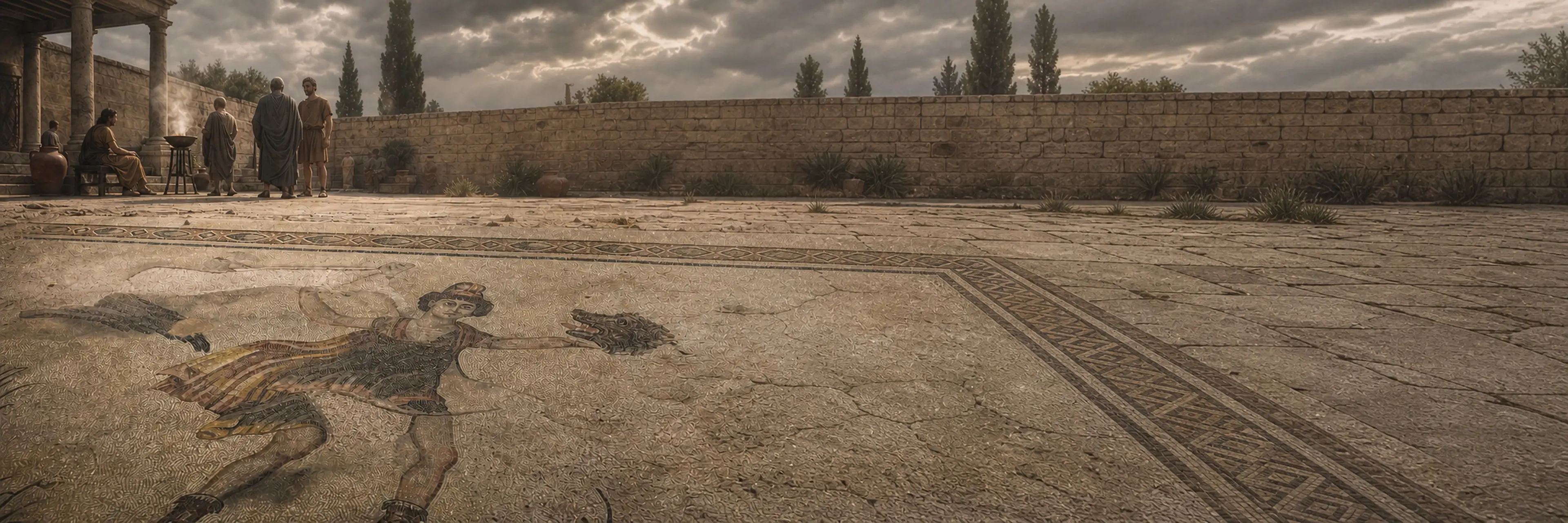 04
OSRHOENE · ROME
Kingdom of Osrhoene, Roman and Eastern Roman Period
132 BC – AD 639
-
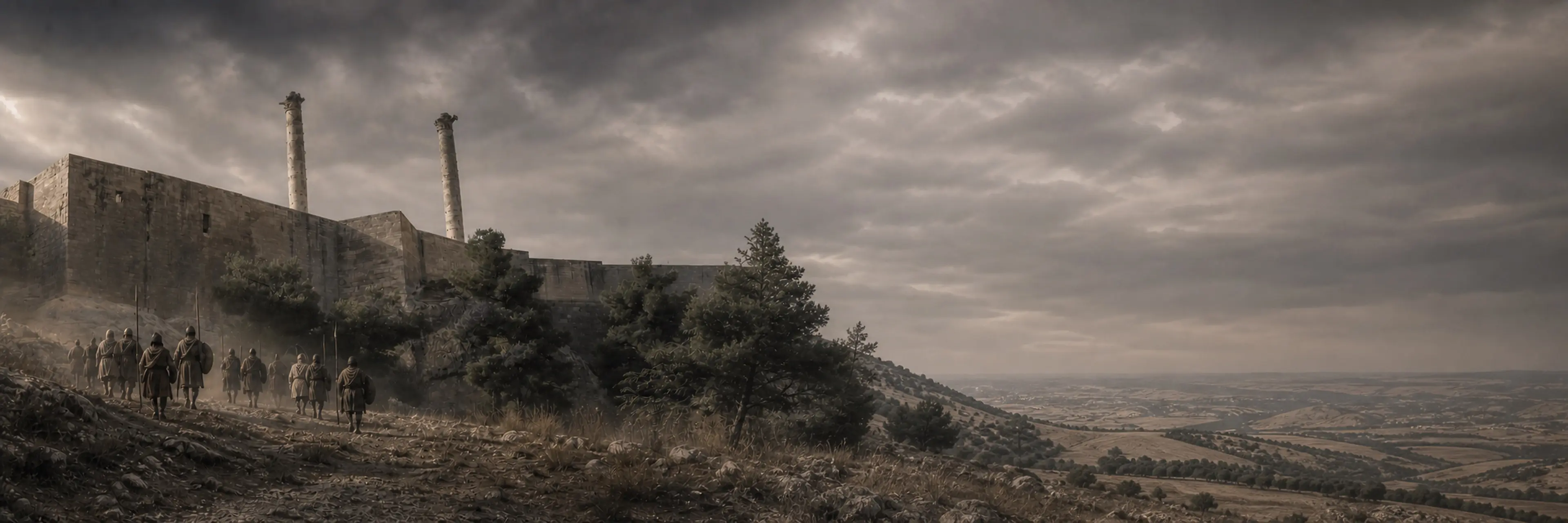 05
ISLAMIC CONQUESTS
The Islamic Conquests and the Rashidun Period
639 – 661
-
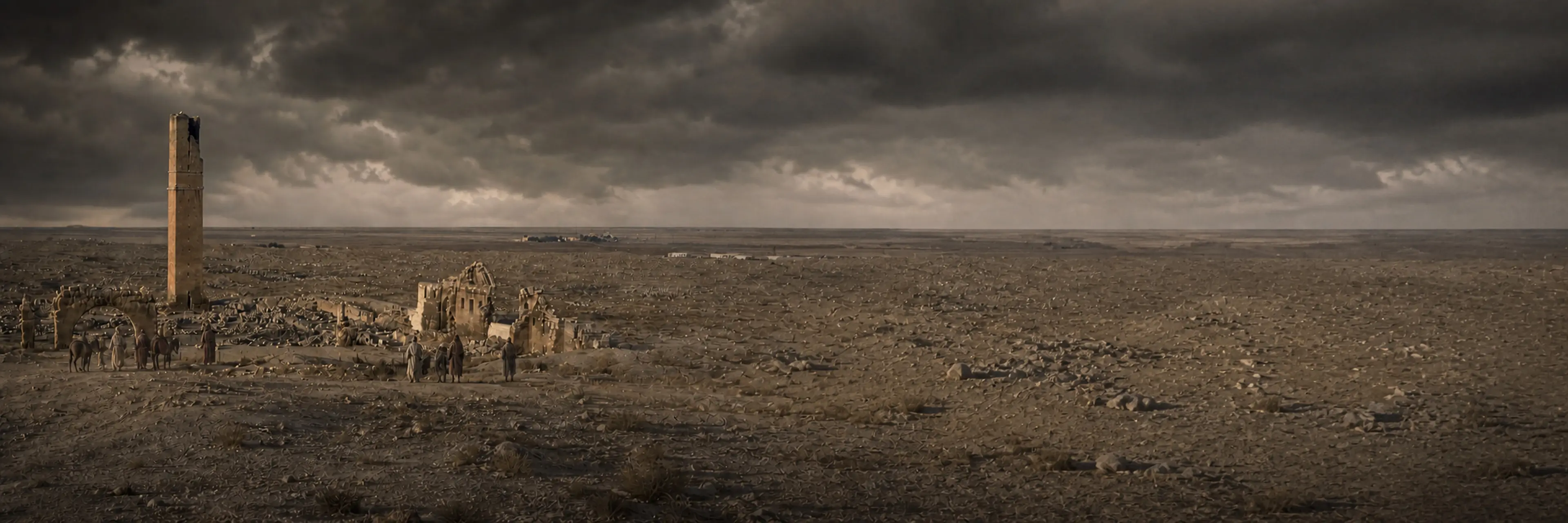 06
UMAYYAD
The Umayyad Period
661 – 750
-
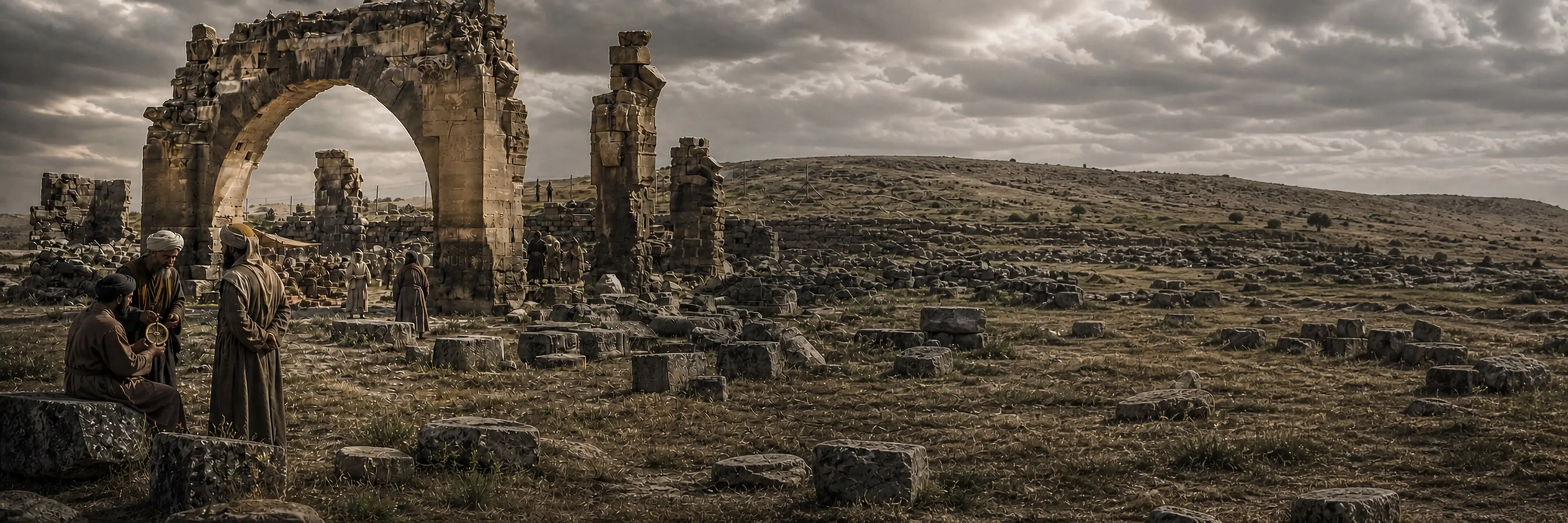 07
ABBASID
Abbasids, Local Dynasties, Byzantium and the Seljuks
750 – 1098
-
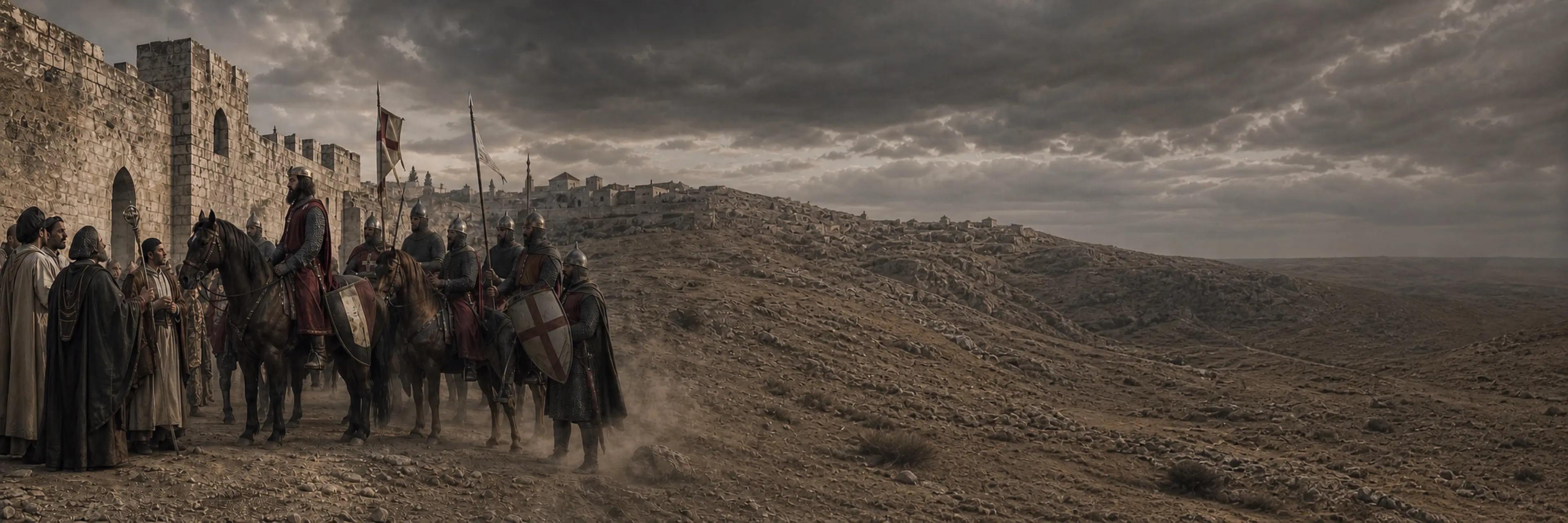 08
CRUSADER COUNTY
The Crusader County of Edessa
1098 – 1144
-
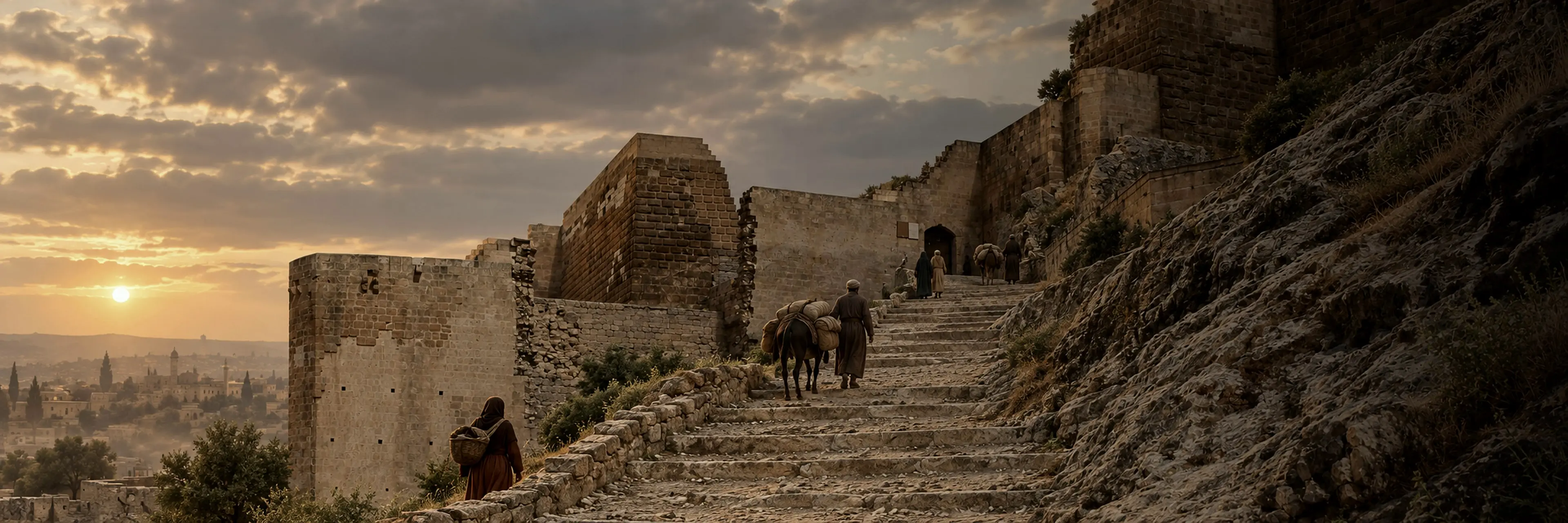 09
ZENGIDS
The Zengid Period
1144 – 1182
-
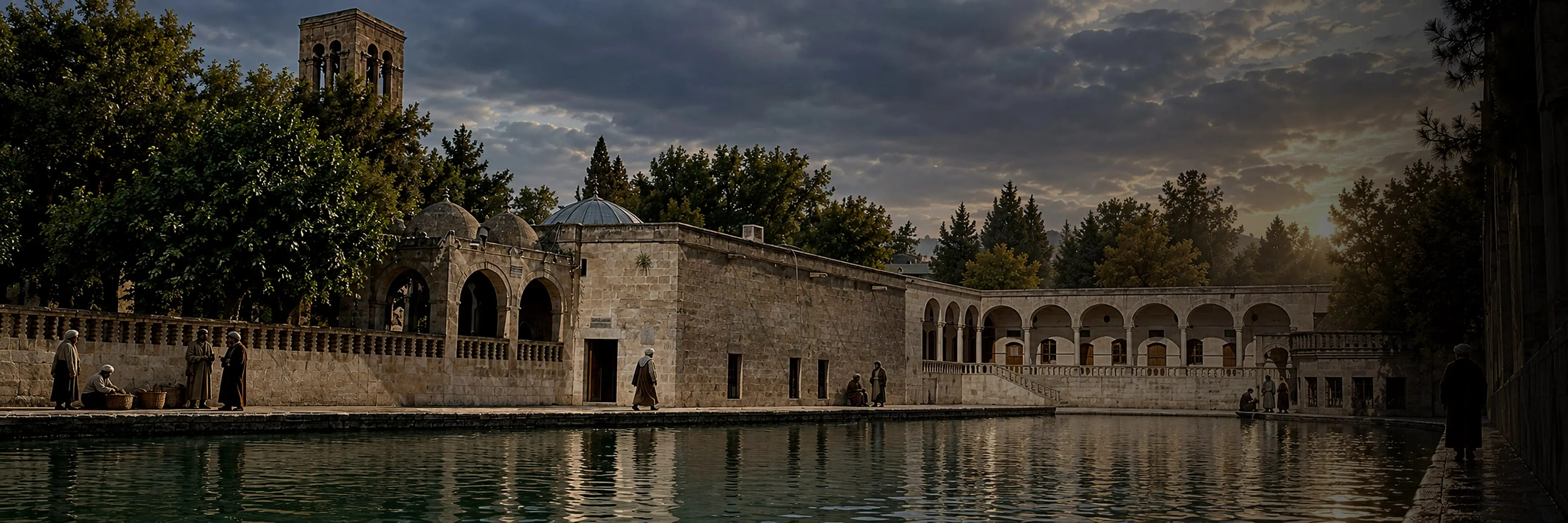 10
AYYUBID · MAMLUK
The Ayyubids and the Mamluks
1182 – 1260 / 14th–15th centuries
-
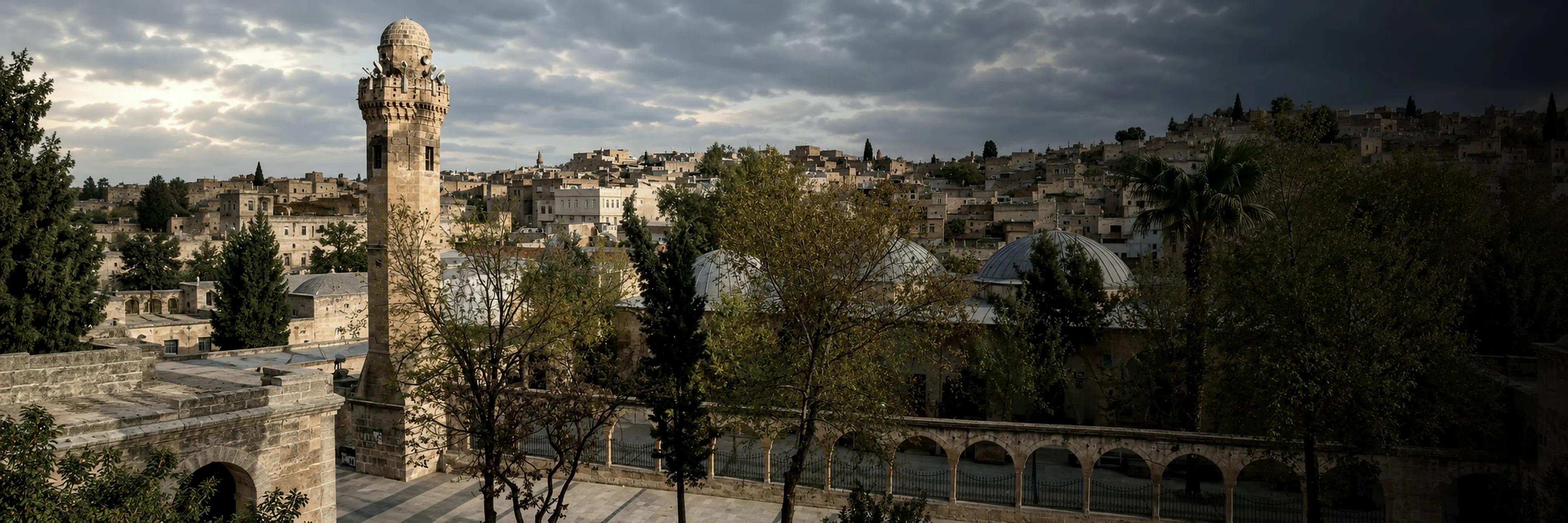 11
AKKOYUNLU
The Akkoyunlu Period
1404 – 1514
-
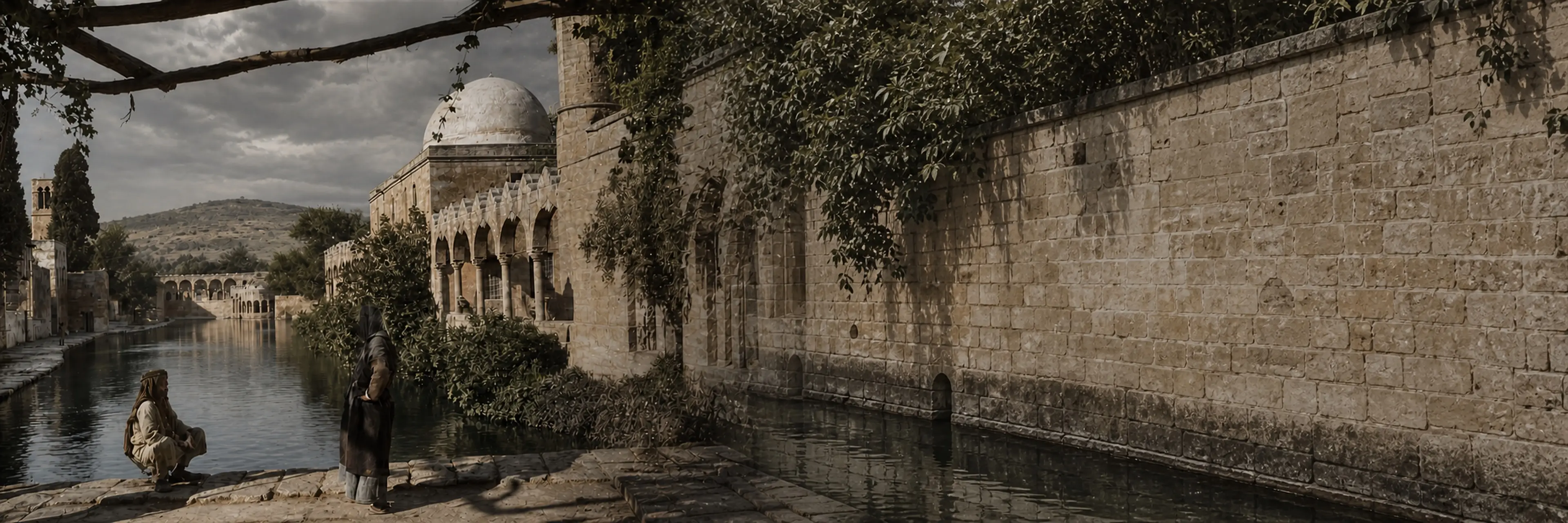 12
OTTOMAN
The Ottoman Period
1517 – 1918
-
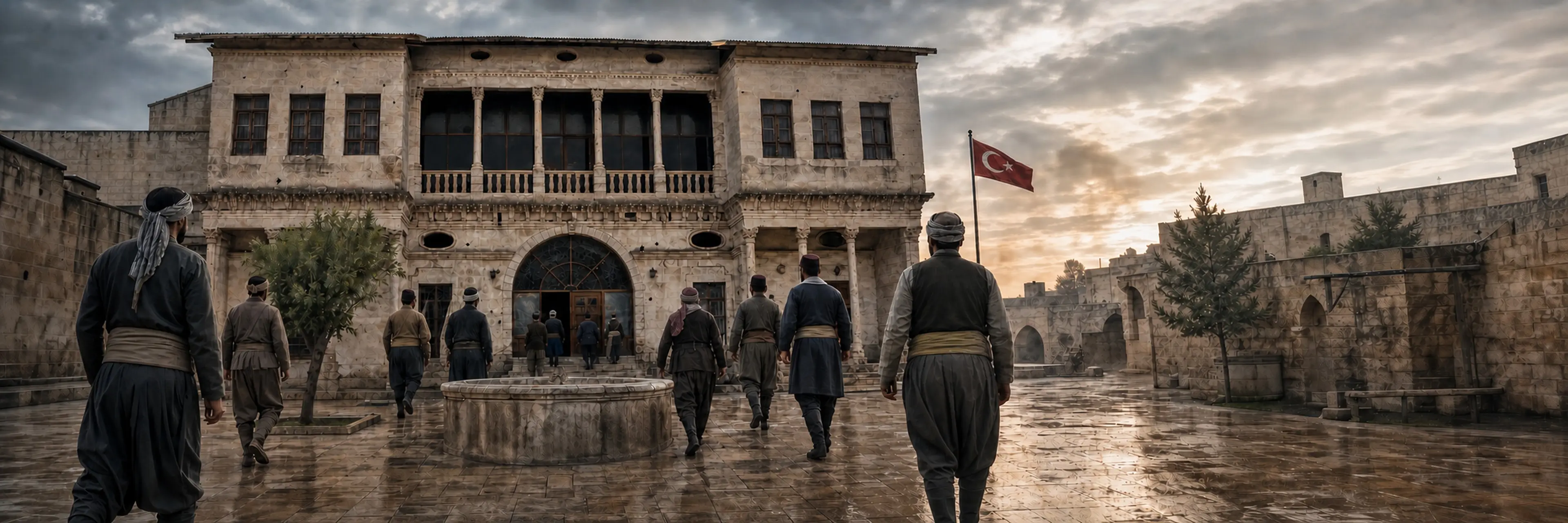 13
REPUBLIC
The National Struggle, the Republic and Today
1920 – Present
Live this experience at the museum
The full narration of this era is on the wall at the museum
SOURCE NOTE Bu metin; arkeolojik alanların tarihlendirilmesinde güncel kazı ve UNESCO verilerini, tarihsel dönemlerde akademik başvuru kaynaklarını, Cumhuriyet dönemi için mevzuat ve kamu kurumu kayıtlarını esas alır. Karahantepe ve Taş Tepeler'deki kazılar sürdüğünden yeni bulgular bazı yorumları değiştirebilir. Abgar-İsa mektuplaşması tarihsel belge olarak değil, Hristiyan geleneği olarak sunulmuştur. "Tarihin sıfır noktası" ifadesi bilimsel bir kronoloji tanımı olmadığı için anlatımdan çıkarılmıştır.
Sources (5)
- 1-3. bölümler: UNESCO Dünya Miras Merkezi, Göbekli Tepe ve 42 COM 8B.34 kararı; T.C. Kültür ve Turizm Bakanlığı, Karahantepe ve Göbeklitepe; Alman Arkeoloji Enstitüsü, Göbekli Tepe: Fieldwork and Research; Şanlıurfa Arkeoloji Müzesi. whc.unesco.org ↗ | whc.unesco.org ↗ | ktb.gov.tr ↗ | dainst.org ↗ | muze.gov.tr ↗
- 4. bölüm: Encyclopaedia Iranica, Edessa; Cambridge University Press, The Apocryphal Letter of King Abgar of Edessa to Jesus; Encyclopaedia Iranica, Chronicle of Edessa. iranicaonline.org ↗ | cambridge.org ↗ | iranicaonline.org ↗
- 5-8 ve 12. bölümler: Ahmet Nezihi Turan, "Şanlıurfa", TDV İslâm Ansiklopedisi; Clifford Edmund Bosworth, "Harran", Encyclopaedia Iranica. islamansiklopedisi.org.tr ↗ | iranicaonline.org ↗
- 9-11. bölümler (17 Eyl 2026 revizesi): TDV İslâm Ansiklopedisi, Şanlıurfa, Zengîler, Eyyûbîler, Memlükler, Halîlürrahman Külliyesi, Akkoyunlular; T.C. Kültür ve Turizm Bakanlığı Kültür Portalı, Hasan Padişah Camii; Şanlıurfa Büyükşehir Belediyesi, Şanlıurfa Tarihi. islamansiklopedisi.org.tr ↗ | islamansiklopedisi.org.tr ↗ | kulturportali.gov.tr ↗
- 13. bölüm: TDV İslâm Ansiklopedisi, Şanlıurfa; T.C. Kültür ve Turizm Bakanlığı, Şanlıurfa Tarihi; 3020 ve 6702 sayılı kanunlar; Devlet Su İşleri Genel Müdürlüğü; Harran Üniversitesi; UNESCO Dünya Miras Merkezi. islamansiklopedisi.org.tr ↗ | sanliurfa.ktb.gov.tr ↗ | www5.tbmm.gov.tr ↗ | cdn.tbmm.gov.tr ↗ | dsi.gov.tr ↗ | gensek.harran.edu.tr ↗